Wednesday, February 13, 2013

10 Easy Exercises for the Busy Person


Are you trying to be more active but do not have time to have a proper workout or go to the gym?  If that is the case, we can help you out with a few tips for exercising, without really exercising!
  • One of the most natural ways to get a workout without noticing is probably laughing. Get together with a group of friends and head over to a comedy club.  By the end of the night your abs will be aching.
  • Are you one of those people who will wait ages for the elevator to arrive? Perhaps take the stairs instead.  Taking the stairs can be faster than waiting and riding the elevator.
  • Keep active at your desk.    When you’re sitting in your chair try some breathing exercises and easy aerobics.  For example, hold in your stomach and let it out.
  • Leg lifts are an even better aerobic to do from your chair at work.  It’s easy to do and your colleagues won’t look at you funny.
  • Buy a stress ball and squeeze it during work, while watching TV or even at school. This burn calories, relieves stress and improves your blood flow. 
  • It’s always helpful to think of an alternative.  If your work is fairly close to you, instead of taking the bus all the way to the door step, hop off a few stops before and enjoy the fresh air.
  • Speaking of fresh air, if you have children or pets, spend some time outdoors.  Play some of their favourite games which will keep you running around.
  • Everyone’s home tends to get a bit messy and that may be your excuse to avoid going to the gym.  Although if you are doing a full thorough clean of your house, vacuuming, dusting, cleaning windows, all of these activities get your heart pumping!
  • Some people find gardening relaxing but it is also hard work.  Activities like this allow you to enjoy your hobbies and include some exercise outside.
  • Do you enjoy the nightlife? Grab dancing shoes because whether it is tango, salsa, hip hop or ballet, dancing uses all of your body parts and you get a great work out while having fun.
Finding time to exercise can be difficult especially after a long day of work when you just want to go home and sleep.  By switching up your daily routine just a tad, you’ll be able to add in fun, easy exercises.  You’ll be feeling less fatigued and more alive in no time!

Tuesday, January 22, 2013

Natural Sunscreens

We all know sunscreen protects us from damaging sun rays which cause our skin to age, wrinkle and potentially result in skin cancer – but do we know the dangerous effects of sunscreen?
Sunscreen can contain harmful chemicals which absorb into our skin causing it to age and in some cases develop skin irritations. Our naturopaths at Hopewood have developed a list of Do’s and Don’ts when it comes to helping you to choose a safe sunscreen for your family to keep your skin natural, healthy and fresh.
DO’s
Zinc Oxide is an active ingredient which blocks the UVA and UVB rays rather than absorbing into your skin along with the harmful rays. It is a natural element and you should be looking for sunscreens that contain Zinc Oxide.

Titanium Oxide is a natural element that works similarly to Zinc Oxide. It blocks the sun’s rays rather than absorbing them and potentially building up within your body. Studies on both zinc oxide and titanium oxide show there is little or no saturation of these compounds by our skin. Sunscreens without Zinc Oxide or Titanium Oxide leave your skin exposed to 20% more radiation.
DON’TS
PABA (para-aminobenzoic acid) – Luckily most manufacturers have stopped adding this harmful chemical as it creates skin irritations within a huge 40% of the population. However when travelling to other countries make sure this chemical is not included in any sunscreens that you purchase.
Padimate-O and Parsol 1789 – These two chemicals have the dangerous potential to attack cellular components once absorbed into our skin. They may damage our DNA and may result in future health problems so best to avoid them.
Benzophenone, homosalate and octy-methoxycinnamate – After much research and tests these chemicals are said to dangerously affect our hormones, our brain and even reproductive organs. Doctors suggest choosing sunscreens without any of these chemicals.
Overall our advice is to choose Zinc Oxide or Titanium Oxide based sunblocks. This will helpt to ensure your skin maintains its natural minerals and oils, allowing you to age gracefully and beautifully.

Monday, January 14, 2013

4 Foods to eliminate for 2013

The New Year is here and it’s time to make those New Year’s resolutions come to life. Many New Year’s resolutions deal with making healthy changes to our diet. Whatever we intake leaves a lasting effect and may contribute to being overweight, health issues and even disease. Here at Hopewood we have combined a simple checklist of foods you should eliminate (or try to cut down on to start off with) for 2013 to help you achieve your New Year’s resolutions.

Soft Drinks –
Even though many advertisements tell you otherwise, carbonated soft drinks do not eliminate thirst or hydrate you – in fact they make you thirstier due to their salt content. Apart from that, there are countless reasons to say goodbye to soft drinks--they are addictive, they contribute to obesity (due to their high sugar content),and of course harm your teeth. For a healthy alternative, try water with a squeeze of lemon or iced herbal teas for a hydrating beverage. Beware of sugar free drinks (next blog)
Deep Fried Food – Foods cooked at high temperatures create a substance called acrylamide which is linked to cancer. Even though there is a safe level of consuming this substance, deep fried food consists of 100 times the safe limit. Addicted to fried potato chips? Try slicing up a sweet potato and baking it for a nutritional alternative.
Excessive Alcohol – We all know that excessive alcohol is bad for us and can lead to many health problems such as cirrhosis of the liver, cancers, high blood pressure and many others. This year cut down on alcohol consumption and be aware of what you’re drinking. Instead of spirits and beer, try switching to a sparking non-alcoholic wine. It’s a nice addition to parties and celebrations.
Canned Soups – This may come as a surprise to many but most canned soups you buy from a supermarket have a high level of artificial preservatives like MSG, sodium and trans-fats, as well as high levels of sodium. Throw in some veggies and herbs in a pot and make your own healthy, tasty version.
We hope everyone had a great break and good luck with your New Year’s resolutions. Remember to love your body and treat it well – it does a lot for us.

Tuesday, December 11, 2012

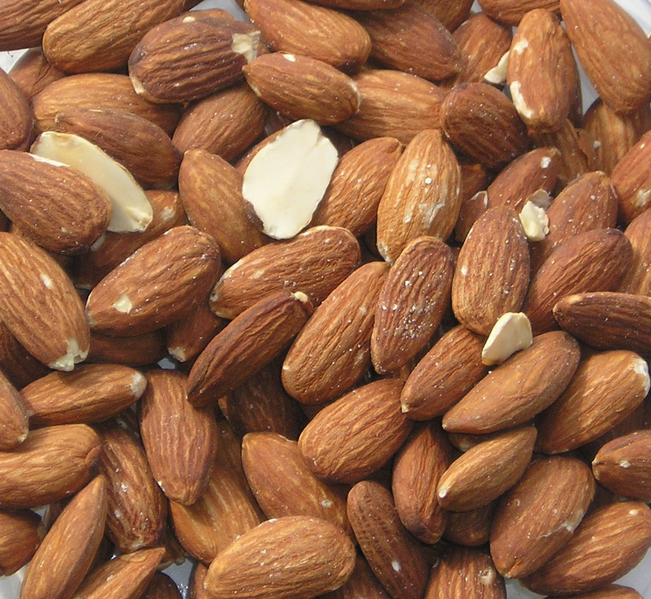
The Benefits of Almond Milk


The Benefits of Almond Milk
Dairy milk is an excellent source of many nutrients we all need in a balanced and healthy diet. Australian dietary guidelines recommend we include 2-3 servings of milk each day, but what are your options if you have an allergy or intolerance of dairy products, or choose to avoid it for moral reasons?
Almond milk contains no animal by-products and is a good alternative to dairy milk. It is simply made from almonds and water (though manufacturers may add sugar or vanilla for flavour) and therefore is suitable for vegans and vegetarians, and is nutritionally one of the best alternatives to dairy milk. Unlike cow's milk, almond milk contains no cholesterol or saturated fats. It also has high levels of omega-3, making it great for your heart!
Almond milk is high in antioxidants which slow the signs of ageing. The flavonoids in almond milk also help to reduce the number of free radicals in the body, helping to protect you from a number of degenerative diseases.
Almond milk is also low in fat and calories which makes it a great milk substitute choice for those trying to lower their fat and calorie intake.
While almond milk is lactose, gluten and casein free, almonds are a tree nut so almond milk isn't safe for consumption by those who suffer a tree nut allergy.
Many people think almond milk is a new phenomenon but it has actually been around since Medieval Europe where it was a common cooking ingredient. Today it is slowly regaining popularity as a nutritious drink and healthy alternative for animal milk.

Almond Milk and Chia Pudding Recipe

Here’s one of my favourite almond milk recipes – it’s quick, easy and delicious!

½ cup of chia seeds
1 cup of almond milk

Put chia seeds in a bowl. Pour almond milk over the seeds and then stir until the chia seeds are all well coated with milk. Refrigerate and let sit for 20 minutes.

Why is this so delicious? The almond milk and chia seeds combine to form a tapioca-like consistency. This healthy treat is sure to be a hit. For added sweetness, mix in coconut flakes or some fresh seasonal fruit.

Monday, October 15, 2012

The Benefits of Nitric Oxide


Your Body's Nitric Oxide Could Save Your Life
by Doug Evans, Osteopath at Hopewood Heath Retreat

Nitric oxide is a molecule naturally found in the body and produced by cells that line your blood vessels and heart.  Its main function is acting as a vessel to convey information between cells.  It plays a major role in keeping blood flowing through the body and keeps it going to vital areas such as the brain.

Essentially nitric oxide works by lubricating the veins and arteries in your body.  It makes the inner surface of blood vessels smooth and slippery helping them to move through the body with ease. 

An added benefit of the ‘slipperiness’ of cells with healthy levels of nitric oxide is they are much less likely to clot together. This also reduces friction and speeds up blood flow.  Good blood flow is vital to good health—if your heart can’t get fresh blood to all areas of your body, that’s very bad news!

Nitric oxide is also proven to help increase blood flow by dilating the blood vessels.  It is often given to heart patients for this reason.  As with vitamins, it is better to get nitric oxide naturally from a healthy diet.

It’s all well and good knowing about the importance of nitric oxide but how do we enrich our body’s natural levels?  There are a number of simple changes you can make to your diet which will ‘turn on’ the production of nitric oxide in your body.

  • Eating more arginine rich foods such as legumes. All plant foods will boost nitric oxide production but legumes are especially useful.
  • Do more aerobic activity.  This has the added bonus of helping your heart by stimulating nitric oxide production and also strengthens your heart muscles.
  • Ensure you are eating a rich antioxidant diet daily.  You can get these from fresh plant foods.
  • Eat a diet which is low in fat and animal proteins.

Just as there are simple ways to turn the production of nitric oxide on, there are also simple things you may be doing which hinder production.  To prevent your body slowing production of nitric oxide, it is important to avoid
  • Most fats and oils.  Eliminate these from your diet wherever possible.
  • Insulin resistance from poor diet and sedentary activity.
  • Smoking.  We probably don’t need to explain how bad this is for your heart! 

You can see from the things to avoid list, these are some of the highest causes of cardiovascular attacks known.  Stimulating nitric oxide production helps give your body extra protection from a heart attack.  Nitric oxide is your body’s way of ‘heart attack proofing’ itself!

Wednesday, October 10, 2012

The Benefits of Nuts


WHY ARE NUTS GOOD FOR YOU?
BY Doug Evans, Osteopath at Hopewood Health Retreat

Nuts are an excellent source of essential nutrients without many of the drawbacks you get from most animal products.  There is less saturated fat and no cholesterol in nuts which makes them an excellent and healthy option.

While they are low in saturated fats they are a great source of essential fatty acids like omega 3 and 6.  Even better, they are in a form which has not been damaged by processing or refining! Every cell in your body requires a little Omega 3, unfortunately the modern Australian diet is low in Omega 3 oils, more nuts = a healthier you!

Nuts are high in fibre and rich in protein, they also have a good level of the amino acid arginine which helps relax and open blood flow.  Your heart will thank you for eating more nuts.  Almost all the B vitamins are present in nuts (only B12 is missing), there are also high levels of vitamin E, calcium, iron and zinc to be found in nuts.

For maximum benefits nuts need to be raw, fresh and most certainly unsalted, because nuts are so calorie dense too many nuts can cause weight gain.  Enjoy nuts responsibly!

Nuts provide benefit to almost all your body.  Everyone knows nuts are high in vitamin B and essential fatty acids such as Omega 3, most people don’t realise nuts are also high in fibre and rich in protein with a good level of arginine which helps relax and open blood flow.

For maximum benefits nuts need to be raw, fresh and definitely unsalted. Because they are calorie dense too many can cause weight gain

It is important to note peanuts and coconuts are different to most nuts and the information does not apply to them.  Peanuts contain a mould that can be damaging to the liver in high doses so care is advised when eating them. Coconuts are very high in saturated fats (85%) and unlike most nuts they are a poor source of Omega 3.

Sunday, September 2, 2012

Cherry – the Queen of Antioxidants


Sweet, juicy cherries are a spring and summer favourite among many Australians. First imported in 1878 to Young, now known as Australia’s cherry growing capital, these small stone fruits have remarkable health benefits as well as being absolutely delicious.
Packed with antioxidants and vitamins B and C, beta-carotene, biotin, boron, iron, manganese, potassium, calcium, magnesium, phosphorus, selenium, fiber and carbohydrates; cherries provide an excellent boost to your immune system, which helps to combat all kinds of illnesses. They are also a rich source of flavonoids, which the body uses to protect itself against disease.

Cherries not only help in protecting our bodies against illness, they can also help protect our joints and bones through their anti-inflammatory qualities. They can help fight joint, ligament, tendon and muscle pain, and can help protect our joints and bones from serious damage. Cherries also contain powerful compounds that block cancerous enzymes from forming, and selenium which destroy free radicals.

Few people know that this delicious fruit also contains large amounts of melatonin, which can help you get a good night’s sleep, and will lessen the effects of jetlag.

Cherries are catagorised into two different flavours, sweet, and sour. They are delicious eaten fresh, or can easily be juiced, preserved, caned, candied, marinated in liquor, turned into jam or included in sauces – the ideas are endless! Try adding cherries to your fruit salad, ice cream, pies or tarts to really boost the flavour.

* Store cherries in your refrigerator for up to 4 days as they are highly perishable.

John’s favorite –
Cherry and Yogurt Parfait
 500gr cherries (pitted)
100gr honey
200gr almond meal
200gr plain yogurt
1 tsp vanilla extract
100gr desiccated coconut (roasted)

1. Stew cherries with honey for 5 to 10 minutes. Remove half of the cherries and let cool. Puree other half in food processor.
2. Mix almond meal with yogurt and vanilla in food processor until smooth, add cherries and blend for another minute or until smooth.
3. In a champagne glass; start with cherry puree then top with yogurt and cherry mix.
4. Leave in refrigerator for 1 hour. Before serving, garnish with coconut and a wedge of lime.
This can be done with just about any fruit.

Catch you next month.

John E.
Executive Chef